
Best Payment Methods for Online Casinos
 Available in United Kingdom
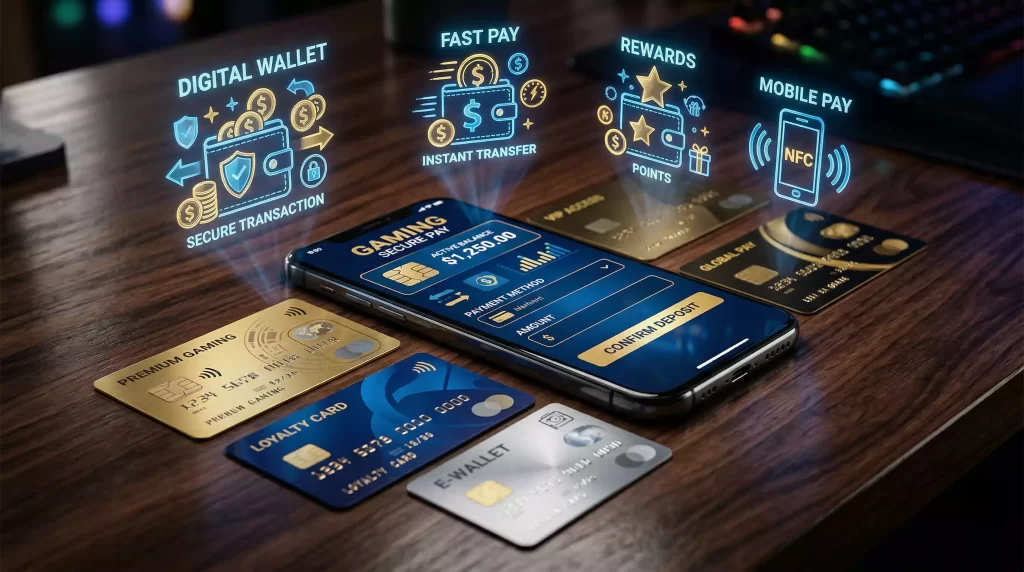
The landscape of casino payment options has evolved considerably over the past decade, shaped by player preferences, technological innovation, security requirements and regulatory frameworks. Modern players expect payment solutions that are secure, convenient and compliant with applicable laws. The most widely used methods include debit cards, e-wallets, bank transfers, prepaid cards, pay by phone options and mobile payment solutions.
Debit cards from providers such as Visa, Mastercard and Maestro remain popular due to their universal acceptance and familiar user experience. E-wallets like PayPal, Skrill and Neteller have earned loyal followings among players who value privacy and rapid transaction speeds. Bank transfers through services like Faster Payments continue to appeal to those who prefer direct connections to their banking institutions, particularly for larger transactions. Pay by phone services and prepaid solutions like Paysafecard attract players seeking stricter budget control or enhanced anonymity.
Mobile payment solutions have emerged as a significant force in recent years. Apple Pay and Google Pay combine the security infrastructure of traditional banking with the convenience that modern technology enables. These methods offer instant transactions without requiring players to enter card details manually, making them particularly attractive to tech-savvy users who prioritize speed and ease of use.
Cryptocurrency remains a topic of considerable discussion. While digital currencies offer faster transaction times and enhanced privacy in theory, regulatory requirements around source verification and anti-money laundering compliance have limited practical adoption at licensed operators. The due diligence obligations make cryptocurrency acceptance challenging for many platforms that must verify fund origins and prevent anonymous transactions.
Regulatory oversight plays a central role in shaping the payment environment. Licensing authorities such as the Malta Gaming Authority and Gibraltar Regulatory Authority oversee licensed operators and ensure they comply with standards covering safety, fairness and transparency. These requirements extend to payment processing, with operators obligated to follow anti-money laundering legislation and implement appropriate verification procedures.
Understanding Payment Methods
Debit cards issued by Visa, Mastercard and Maestro dominate the market in terms of acceptance and familiarity. Deposits made with these cards process instantly at most platforms, with withdrawals typically taking between one and five business days depending on the operator and the card issuer. Security features including chip technology, fraud monitoring and transaction alerts provide layers of protection for cardholders.
E-wallets such as PayPal, Skrill and Neteller function as intermediaries between bank accounts and casino platforms. Deposits process immediately, and withdrawal times often fall within twenty-four hours at many operators, making them among the fastest options available. Users should note that some platforms exclude e-wallet deposits from promotional eligibility, so checking terms before depositing is advisable. Transaction fees may apply depending on the specific service and the nature of the transaction.
Bank transfers offer direct movement of funds between personal accounts and casino platforms. Faster Payments typically clears within two hours to one business day, while traditional transfers through services like BACS may require up to three business days. These methods suit players handling larger amounts who prefer direct banking relationships without intermediary services.
Pay by phone services enable deposits through mobile billing. Players can add funds to their casino accounts and have the amount charged to their next phone bill. This approach works well for smaller deposits and provides a natural spending limit tied to phone contract terms. However, these services typically do not support withdrawals, requiring players to establish an alternative method for cashing out winnings.
Prepaid solutions like Paysafecard allow players to purchase vouchers with unique PIN codes that can be redeemed at participating platforms. This approach appeals to those without traditional bank accounts or anyone seeking to separate gambling activity from their primary banking. Like pay by phone services, prepaid cards generally support deposits only.
Mobile payment platforms including Apple Pay and Google Pay leverage biometric authentication through fingerprint sensors and facial recognition technology. Deposits process instantly, drawing from linked debit cards or bank accounts. Not all platforms support these methods for withdrawals, meaning funds may route back through the underlying card with standard processing times applying.
Some jurisdictions have restricted credit card usage for gambling transactions at licensed operators. These measures protect players from accumulating debt through gambling activities. Players should verify which payment methods are available in their jurisdiction before attempting deposits.
Setting Up and Managing Payment Accounts
Selecting an Appropriate Method
Choosing a payment method involves weighing several factors against personal preferences. Transaction speed matters for players who want immediate access to deposited funds or rapid access to winnings. Fee structures vary between providers and should be understood before committing to any particular service. User interface quality affects day-to-day convenience, particularly for players making frequent transactions.
Each payment type requires some form of setup. Debit card users simply need their card details at hand when making transactions. E-wallet users must create accounts with their chosen provider, linking bank cards or accounts and completing identity verification as required. Mobile payment users need compatible devices with their preferred service configured and linked to funding sources.
Once a payment method is established, using it at a casino involves navigating to the cashier or payments section, selecting the desired method, and following prompts to complete the transaction. Most platforms provide clear instructions throughout this process.
Funding Approaches
Direct bank transfers suit larger transactions where players want to move significant sums without intermediary services. Processing times range from same-day service to several business days depending on the transfer type selected.
Prepaid cards and mobile payment services require advance loading of funds, which naturally limits spending to available balances. This built-in constraint appeals to players focused on responsible gambling practices and budget management.
E-wallets enable swift transfers in both directions once funds are available in the wallet account. Users can link multiple cards and accounts to a single wallet, providing flexibility in managing gambling budgets separately from other finances.
Security Considerations
Strong password practices form the foundation of account security. Using combinations of uppercase and lowercase letters alongside numbers and special characters makes unauthorized access significantly more difficult. Passwords for payment accounts should differ from those used for casino accounts.
Two-factor authentication adds meaningful protection by requiring a second verification step beyond the password. Many e-wallets and banking apps offer this feature, and enabling it wherever available is strongly advisable.
Regular monitoring of account activity helps identify unauthorized transactions quickly. Most payment services provide transaction histories accessible through apps or websites, making routine checks straightforward.
Device security matters as well. Keeping operating systems and applications updated ensures known security vulnerabilities are patched. Avoiding public wireless networks for financial transactions reduces exposure to potential interception.
Making Deposits and Withdrawing Winnings
Deposit Process
Selecting a payment method requires consideration of processing speed, fee structures and promotional eligibility. Common options include debit cards from Visa and Mastercard, e-wallets like PayPal, Skrill and Neteller, bank transfers, pay by phone services, prepaid cards and mobile payment solutions. Credit cards are not permitted for gambling transactions.
Setting up a payment account varies by method. Card-based deposits simply require entering card details. E-wallet and pay by phone options require establishing accounts with the respective providers, which involves identity verification steps and linking funding sources.
Making a deposit typically involves accessing the cashier section, selecting the preferred payment method, entering the desired amount and following prompts to complete the transaction. Deposits via most methods process instantly, while bank transfers may require additional processing time.
Understanding deposit limits and potential fees helps avoid surprises. Many platforms impose no fees on deposits, though banks or payment providers may have their own fee structures. Transaction limits vary by method and operator.
Withdrawal Process
Account verification must be completed before withdrawals can be processed, particularly for first-time cashouts. This involves submitting identification documents to confirm identity, age and address. Common requirements include government-issued photo identification and proof of address such as a recent utility bill. Payment method verification may also be necessary.
Most platforms require withdrawals to route through the same method used for deposits when possible. If the deposit method does not support withdrawals, an alternative will be required.
Requesting a withdrawal involves navigating to the cashier section, selecting the withdrawal option, choosing a payment method and entering the desired amount. Amounts must fall within the platform’s minimum and maximum limits for the selected method.
Processing times differ substantially between methods. E-wallet withdrawals often complete within twenty-four hours and sometimes process instantly. Bank transfers typically require three to five business days. Debit card withdrawals fall somewhere between, often processing within one to five business days depending on the operator and card issuer.
Faster Withdrawal Options
E-wallets consistently offer the fastest withdrawal processing. PayPal, Skrill and Neteller regularly complete cashouts within hours rather than days. Players prioritizing quick access to winnings often maintain e-wallet accounts specifically for this purpose.
Some platforms now offer instant withdrawal options using services like Visa Fast Funds, which can deliver funds to debit cards within hours rather than days. Availability varies by operator.
Completing account verification before requesting withdrawals helps avoid delays. Players who wait until their first withdrawal to verify identity may experience processing delays while documentation is reviewed.
Security, Regulations and Compliance
Security, regulation and compliance form the foundation of trustworthy gambling environments. Licensed operators must maintain robust security infrastructure and adhere to comprehensive legal frameworks designed to protect players and ensure fair operations.
The legal framework encompasses payment segregation requirements, anti-money laundering measures and various consumer protection obligations. Operators must hold appropriate licenses and comply with data protection legislation including the General Data Protection Regulation. These requirements ensure that personal and financial information receives appropriate protection.
Security Infrastructure
Technical security measures protect financial and personal information throughout the transaction process. Secure Socket Layer encryption creates secure channels for data transmission between players and platforms. Two-factor authentication requires multiple verification steps before granting account access or processing transactions. These measures work together to prevent unauthorized access and protect sensitive information.
Data Protection
Data protection legislation requires operators to implement technical measures securing personal information. Data must be held securely with access limited to authorized personnel who need it for legitimate purposes. Players have rights regarding their personal data, including the ability to request access to information held about them.
Regulatory Oversight
Respected gambling authorities enforce frameworks governing licensed operations. Bodies such as the Malta Gaming Authority, Gibraltar Regulatory Authority, and Isle of Man Gambling Supervision Commission ensure operators meet standards for fairness, integrity and player protection. This includes requirements around game fairness testing, appropriate payment and withdrawal procedures, and compliance with social responsibility obligations.
Operators must conduct proper identity verification before players can withdraw funds. Know Your Customer procedures help prevent fraud and ensure compliance with anti-money laundering requirements. These checks typically involve reviewing identification documents and verifying that payment methods belong to the account holder.
Cryptocurrency acceptance at licensed operators involves additional compliance challenges. Operators must verify the source of funds, implement enhanced due diligence and ensure transactions do not pass through mixing services or anonymous wallets. These requirements reflect the broader regulatory approach of maintaining transparency in financial transactions.
Navigating Payment Issues and Responsible Gambling
Payment issues occasionally arise despite the generally reliable nature of modern transaction systems. Understanding how to resolve problems and where to seek assistance helps ensure smooth experiences.
Resolving Payment Issues
Customer support should be the first point of contact for transaction problems. Most platforms offer multiple contact methods including live chat, email and telephone support. Having transaction details and any error messages available when reaching out helps support teams investigate and resolve issues more efficiently.
Payment method terms sometimes explain unexpected transaction behavior. Different methods have varying limits, processing times and fee structures. Understanding the specifics of chosen methods helps identify whether observed behavior falls within normal parameters.
Accurate account information prevents many common issues. Outdated card details, incorrect personal information or expired payment methods frequently cause transaction failures. Keeping account details current addresses many potential problems before they occur.
Platform policies around verification, payment methods and transaction limits affect what transactions can be processed. Understanding these policies helps set appropriate expectations and avoid declined transactions due to policy-related limitations.
Responsible Gambling
Responsible gambling practices help maintain gambling as an entertainment activity rather than a source of harm.
Deposit limits, loss limits and session time limits allow players to establish boundaries aligned with their personal circumstances. Most platforms provide tools for setting these limits within account settings.
Self-exclusion options exist for players who wish to take breaks from gambling. These voluntary programs block account access for specified periods, providing a cooling-off mechanism for those concerned about their gambling patterns.
Support resources exist for anyone experiencing gambling-related difficulties. Organizations like GamCare and the National Gambling Helpline provide confidential information, advice and support for those affected by gambling problems.
Treating gambling budgets as entertainment expenses rather than income-generating activities supports healthy engagement. Gambling with funds needed for essential expenses or attempting to recover losses through additional gambling are warning signs that professional support may be beneficial.
Practical Considerations
Understanding the payment landscape helps players make informed choices aligned with their preferences and circumstances. The prohibition on credit cards reflects broader efforts to protect players from gambling-related financial harm. The variety of available alternatives means players can find methods suited to their needs.
Security infrastructure at licensed platforms protects financial and personal information through encryption, authentication and regulatory compliance. Respected licensing authorities maintain oversight of licensed operations, ensuring standards are met and enforcement action taken where necessary.
Faster withdrawal options through e-wallets and emerging instant payment services address player preferences for quick access to winnings. Account verification requirements exist for legitimate protective purposes and completing verification early avoids delays when requesting withdrawals.
Players benefit from staying informed about available payment options, understanding the terms associated with their chosen methods, and engaging with the support resources available if gambling ever becomes problematic. Licensed platforms offer diverse payment options designed to accommodate different preferences while maintaining appropriate security and compliance standards.
FAQ
Are all payment methods available for both deposits and withdrawals?
Not necessarily. While most platforms offer multiple options for both transaction types, some methods support deposits only. Pay by phone services and prepaid cards like Paysafecard typically cannot be used for withdrawals. Checking the specific terms for each method before depositing helps avoid complications when cashing out.
How long do e-wallet withdrawals take compared to bank transfers?
E-wallet withdrawals generally process much faster than bank transfers. E-wallets like PayPal, Skrill and Neteller often complete withdrawals within twenty-four hours, sometimes instantly. Bank transfers typically require two to five business days depending on the platform and banking provider involved.
Is it safe to use a debit card for casino payments?
Using debit cards at licensed, regulated platforms is generally safe. Licensed operators employ encryption technologies to protect financial information during transmission. Card providers also offer fraud protection features. Choosing platforms with valid licenses from recognized regulatory bodies provides additional assurance.
Can cryptocurrency be used at licensed platforms?
Cryptocurrency acceptance at licensed operators is limited due to regulatory compliance requirements. Operators must verify fund sources and implement enhanced due diligence for cryptocurrency transactions. These obligations make cryptocurrency support challenging for many platforms to implement while maintaining compliance.
Why might a payment method be declined?
Declined payments can result from various factors including incorrect information entered, insufficient funds, restrictions imposed by the payment provider, or platform-specific policies. Contacting customer support with transaction details can help identify the specific cause and potential solutions.
Are fees charged for withdrawals?
Fee structures vary by platform and payment method. Many operators do not charge withdrawal fees, though the payment provider may have separate fee structures. Checking both platform terms and payment provider terms clarifies potential costs before initiating transactions.